If you've noticed your white oak littering the ground with tiny, pea-sized green acorns this summer, don't panic. At first glance, it can look like the tree is in trouble. Fortunately, that's usually not the case.
A healthy white oak often produces far more acorns than it can realistically bring to maturity. As the growing season progresses, the tree naturally sheds many of these immature acorns, keeping only the strongest ones. Think of it as nature's version of quality control.
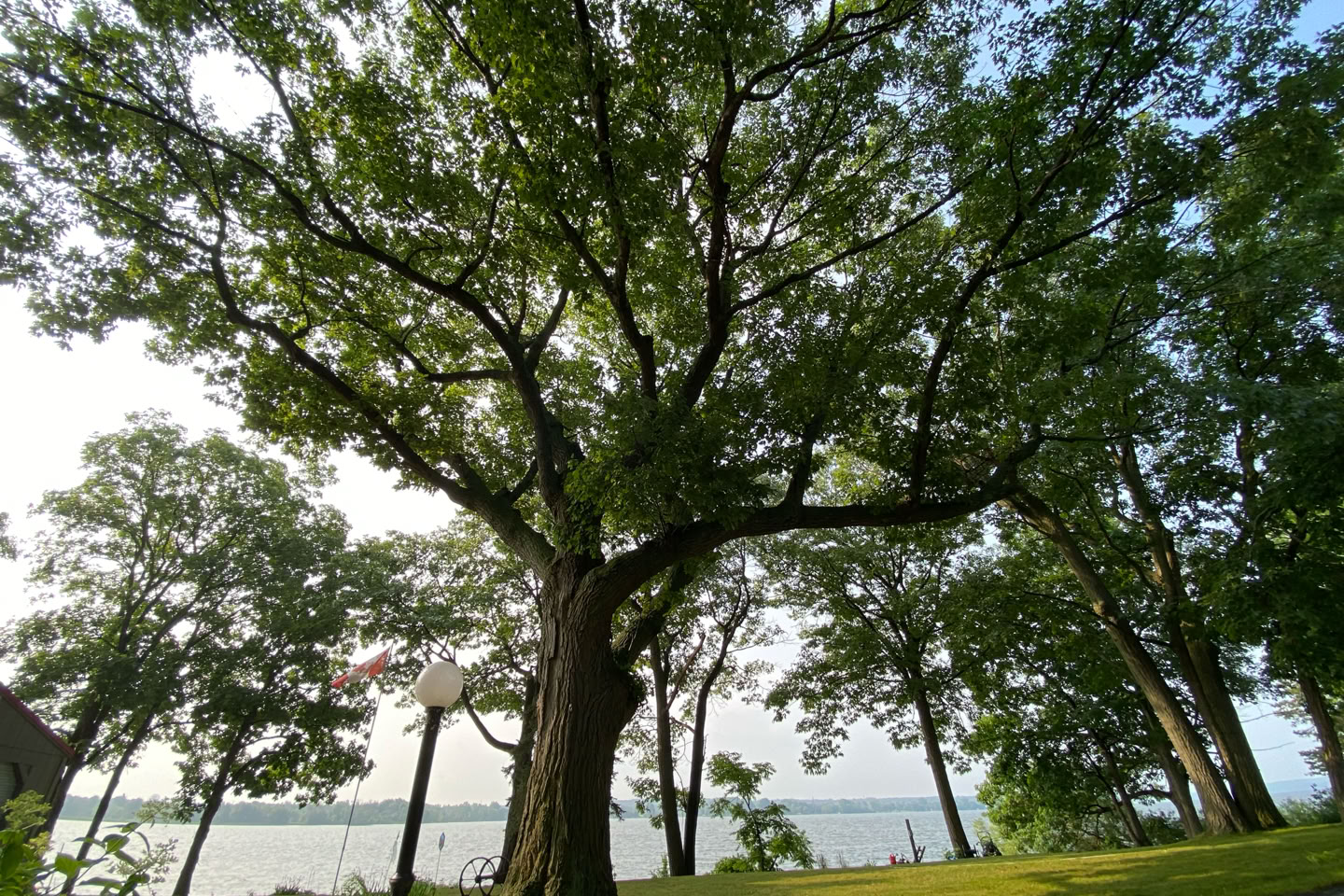
Recently, I looked at a white oak that was dropping pea-sized green acorns with their caps still attached. The tree itself had a full, healthy canopy with no dead branches or discoloured leaves. Those are all encouraging signs. In fact, they point to a perfectly healthy tree that is simply thinning its acorn crop.
Why does this happen?
Several factors can cause a white oak to drop immature acorns.
Natural thinning is by far the most common reason. White oaks produce many more flowers and developing acorns than they intend to mature. During the summer, the tree sheds those that are less likely to succeed, allowing its energy to be concentrated on the healthiest acorns.
Weather stress can also play a role. Extended periods of heat or below-average rainfall may encourage the tree to reduce the number of acorns it supports. Even large, mature oaks do this during dry summers.
Poor pollination is another possibility. Cool, wet, or windy weather during the spring flowering period can result in some acorns beginning to develop but failing to mature.
Occasionally, insects such as acorn weevils damage developing acorns, although insect-infested acorns are often larger when they fall than the tiny pea-sized ones most homeowners notice.
How can you tell if the tree is healthy?
The leaves tell the story.
A healthy white oak should have:
A full, green canopy.
Normal leaf size and colour.
Little or no branch dieback.
Vigorous new twig growth.
If those conditions are present, early acorn drop is usually nothing to worry about.
On the other hand, if you notice thinning foliage, widespread browning, dead limbs, bark splitting, or mushrooms growing around the base of the tree, it may be worth having the tree inspected by a certified arborist.
A SIMPLE TEST
If you're curious, cut one of the fallen acorns in half.
A solid white interior usually indicates a normal aborted acorn.
If the inside is brown, hollow, or contains a tiny larva, an insect may have been responsible.
Should you do anything?
In most cases, no treatment is needed.
If your area has experienced an extended dry spell, giving the tree a deep watering every week or so can help reduce stress. A layer of wood-chip mulch around the root zone also helps conserve soil moisture. Just be sure to keep the mulch several inches away from the trunk.
There's no need to fertilize a healthy oak unless a soil test shows a nutrient deficiency.
The bottom line
Finding hundreds of tiny green acorns beneath a healthy white oak may look alarming, but it's usually a sign that the tree is doing exactly what it should.
Nature rarely wastes energy. By shedding weaker acorns early, the tree can devote its resources to producing a smaller number of healthy, mature acorns that will be ready to fall in the autumn.
Sometimes what appears to be a problem is simply another example of how remarkably efficient nature really is.