Computers have always fascinated me. My first computer use was in 1968 learning FORTRAN, (FORmula TRANSlator), in 1st year engineering.
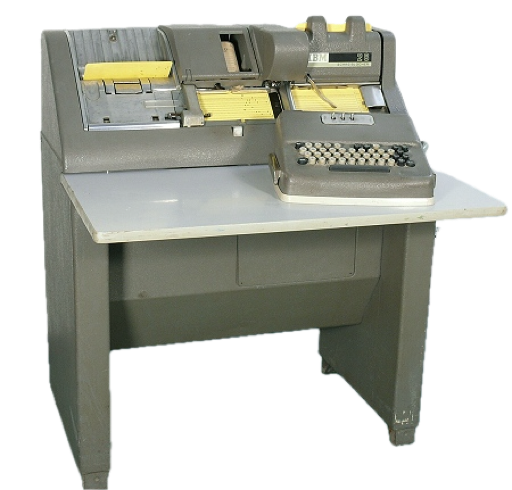
Back then you used a machine that punched your program onto paper cards.
Then you had to submit the “deck” of cards at a counter in the computer room. A computer operator would feed the deck into a card reader and the mainframe computer ran your program. You would pick up your printout hours or days later. Computers were part of the workplace and I used various systems including IBM terminals and HP desktop computers.
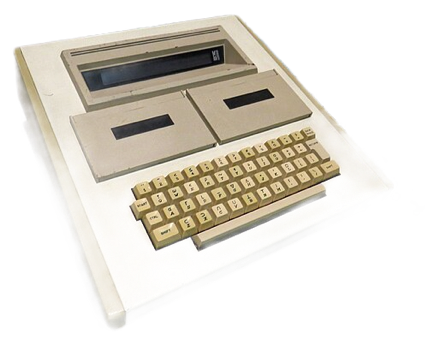
I used a personal computer for the first time in 1974 when the office acquired an MCM/70 a pioneering Canadian microcomputer. I had to learn A Programming Language (APL), which uses mathematical notation for its code. APL was also a Canadian invention. The MCM/70 came with 8 kilobytes of RAM and zero, one, or two cassette drives!
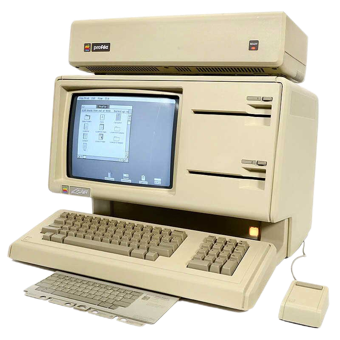
I saw a new computer made by Apple named LISA at a computer show. The LISA, introduced in 1983, used a graphical user interface (GUI). Steve Jobs had seen this at Xerox where it was first used. The LISA had a full set of GUI applications: LisaWrite, LisaCalc, LisaDraw, LisaGraph, LisaProject, LisaList, and LisaTerminal. My colleague Joe and I, were able to persuade management to purchase a LISA even though IBM was the standard in government offices. LISA was over $10,000, which made in too costly for the consumer market.
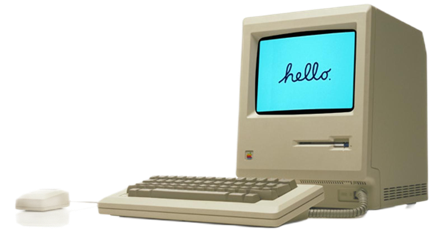
Apple introduced the Macintosh nationally on January 22, 1984, during a break in the third quarter of Super Bowl XVIII. The commercial became a hit. I had my first experience with this new type of computer in 1984 when it was purchased as the office computer. I’ve used Apple computers ever since. Although the hardware is excellent, I think it is the software and the graphical interface that is the real attraction. I’ve owned several versions of the Macintosh.
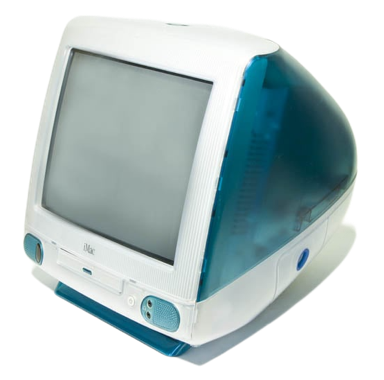
Back in 1997, Steve Jobs came back to Apple as the temporary CEO, and just a year later, Apple launched the iMac, which came in had a unique semi-transparent plastic coloured case. The one I bought had a 15” display 233 MHz processor 32 MB of RAM, a 4.0 GB hard drive all in a transparent “Bondi” blue case.
I used it until 2006 when its video board went bad and I needed a new computer.
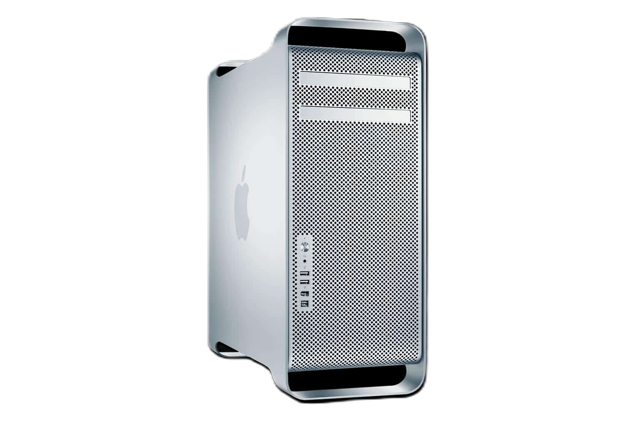
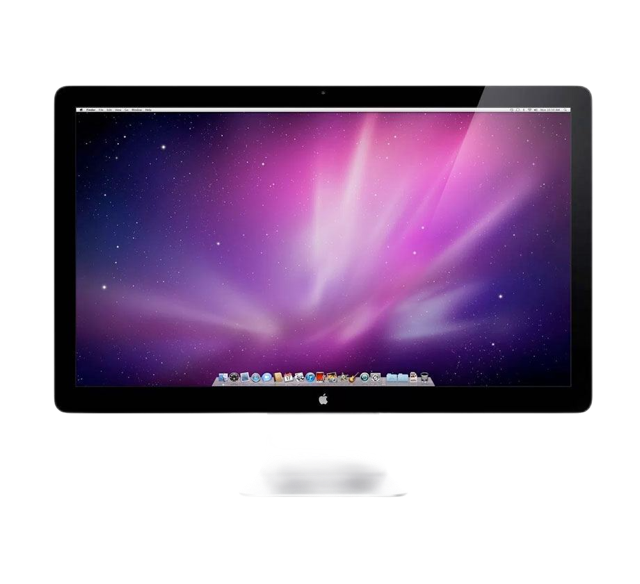
I looked at options available and landed on the newly introduced Mac Pro. It was Apple’s first professional desktop based on Intel processors. It was not only a beautiful design but the machine was very customizable and easy to make changes to internal components such as its memory and four disk drives. The display I bought had a 24” screen. The Mac Pro was my main computer until 2012 until its operating system, OS X Lion 10.7.5, could no longer be updated. I still use it as a backup system with its four drives. It’s almost 20 years old and still works fine.
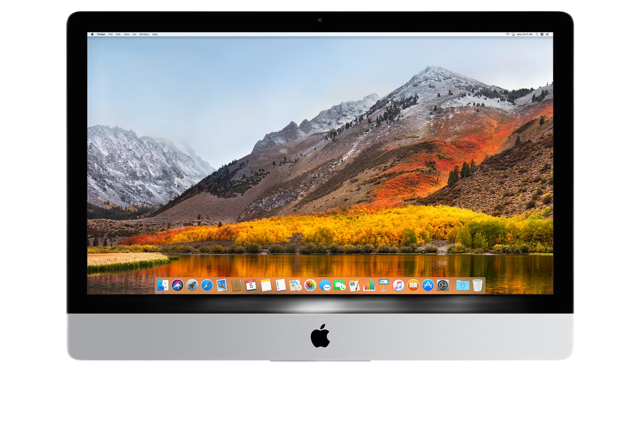
Also in 2012, a friend asked me if I wanted an iMac with a cracked screen. I said absolutely. The computer he gave me was a 2011 iMac with a 27” screen. To repair the screen I bought a replacement and followed instructions on Youtube. It was easy to repair because the screen is attached magnetically. It is pulled off with a suction cup. The new screen snaps into place. Alas the iMac 27” was able to survive until OS X High Sierra, which was the last it could run. I kept using it until 2021.
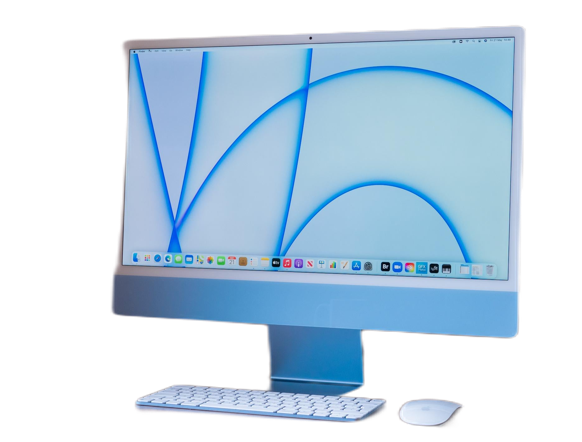
Apple came out with machines using its own M-series processors. I moved on to my current computer, an iMac 24” running the new M1 processor. Apple is already up to an M4 processor. I know that this will not be my last computer.